

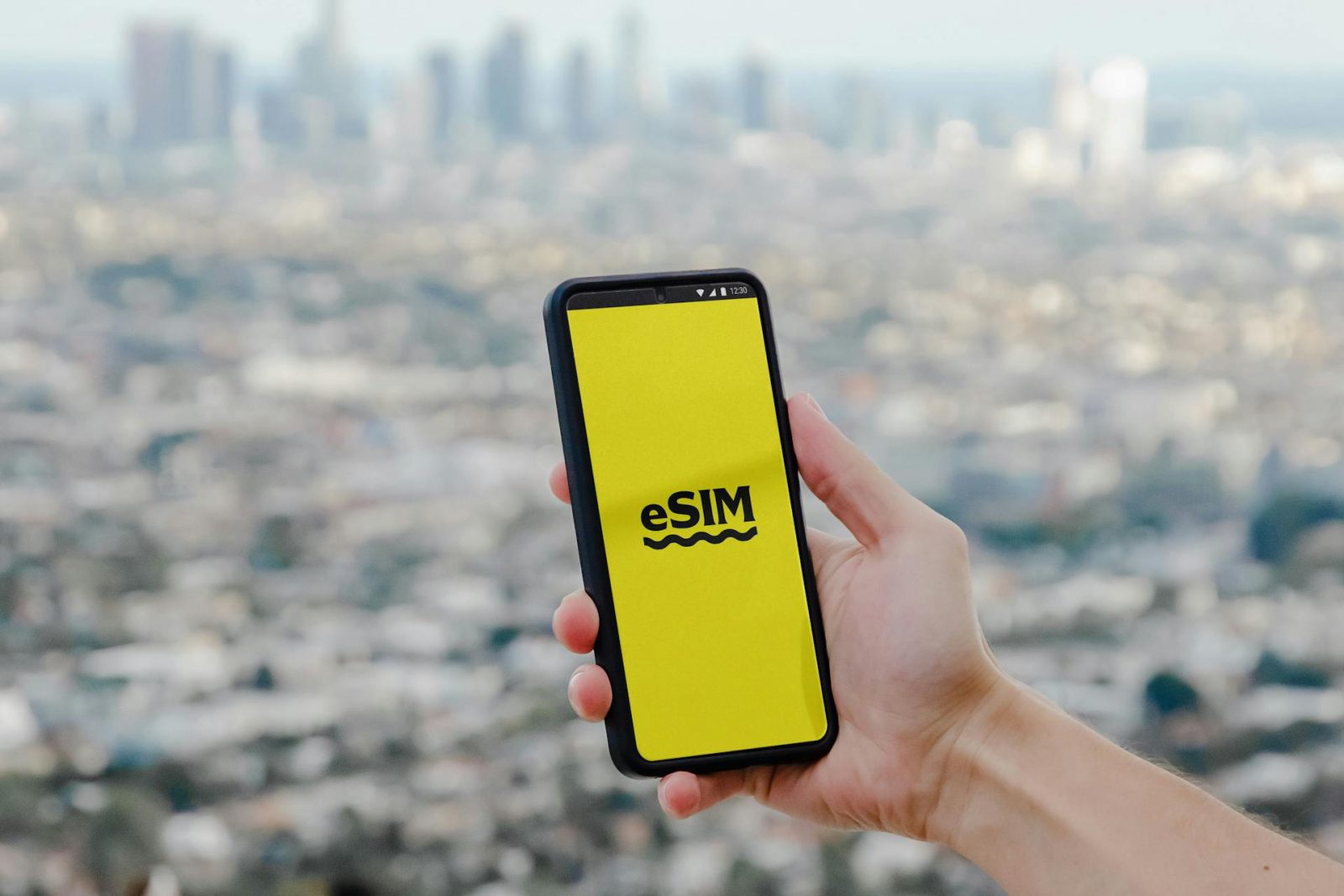
Mobile connectivity is changing with the rise of digital sim, also known as eSIM. Instead of using physical SIM cards, devices can now connect to networks digitally. This makes things easier, more flexible and more efficient. As more people and businesses start using eSIM, it is clearly changing how we stay connected.
What is a Digital SIM?
A Digital SIM, or eSIM (embedded SIM), is a programmable SIM card embedded directly into a device’s hardware. Unlike traditional SIM cards that must be physically inserted or swapped out, an eSIM can be remotely provisioned with mobile network credentials. This allows users to switch carriers or plans without the need to physically change the SIM.
Benefits of eSIM Technology
1. Enhanced User Convenience
One of the most immediate benefits of eSIM is seamless network switching. Travellers, for example, can activate local mobile plans abroad without buying a local SIM card. Similarly, users can switch between personal and work profiles on the same device, without dual SIM trays.
2. Smaller and More Efficient Devices
Without a physical SIM tray, device makers have more space inside the device. This is useful for adding bigger batteries, better sensors or other features. It is especially helpful for smartwatches, small gadgets and slim phones, making them more powerful and better designed.
3. Remote Provisioning and Management
Mobile carriers can now update SIM details remotely, so there is no need to change physical SIM cards. This makes it much easier to port numbers and connect to many devices at once, especially for businesses using things like smart meters, vehicle trackers or factory sensors. It helps keep everything connected and running smoothly.
4. Improved Security
eSIMs are harder to remove or tamper with, making them inherently more secure. Lost or stolen devices can be remotely locked or wiped, reducing risks associated with unauthorised SIM swapping.
Challenges and Considerations
Despite the clear advantages, eSIM adoption is not without challenges:
- Carrier Support: Not all carriers globally support eSIM technology, limiting its utility in some regions.
- User Awareness: Many users are still unaware of eSIM capabilities or unsure how to activate them.
- Privacy Concerns: As with any remotely managed system, there are concerns over data privacy, although these can be addressed with robust encryption and regulatory compliance.
The Future of Mobile Connectivity
As 5G ecosystems continue to grow, eSIM will play a critical role in enabling scalable, resilient, and intelligent networks. The embedded SIM functionality is directly integrated into the device processor. In the long term, we can expect:
- Global roaming plans powered by eSIM to become the norm.
- Fully digital mobile experiences, from signup to activation, are accessible via apps.
- Dynamic network switching, where devices automatically connect to the best available network without user input.
Conclusion
Digital SIM innovations are more than a technological shift; they represent a fundamental change in how we think about connectivity. From simplifying mobile plan management for everyday users to enabling smart devices to function autonomously around the world, eSIM is setting the stage for a more connected, efficient, and flexible future.
Switch to the future with Vi’s eSIM-ready prepaid and postpaid plans. Enjoy instant activation, seamless switching, and high-speed data all without a physical SIM. Stay connected, anytime, anywhere. Explore Vi plans now.